
IMPLENTING THE TOOL CREATED ON OTC AND PARTICIPANTES RECOGNITION
November was a month of remarkable progress and celebration for the Magnólia project. Across all partner countries, the implementation of tools took centre stage, while local events brought visibility and recognition to the collective work of our teams and participants.
Tool Implementation – From Guidelines to Practice
Following the guidelines established in WP3, each partner selected 1 tool from each country t (a total of 6 tools) to implement with young people. These tools, carefully revised and organized in the WPK2 , are part of the broader effort to build the Healthy Inclusion through Art Toolkit, which will ultimately include 36 innovative methodologies.
The implementation process was not only about testing the tools but also about adapting them to the realities of youth in different contexts. Partners worked closely with participants to ensure inclusivity, creativity, and alignment with the project’s mission. Reports and surveys were prepared using the templates available , ensuring that documentation was consistent and ready for evaluation.
This stage marked a turning point: the tools moved from theory into practice, generating real impact among young people and laying the foundation for the final publication.
Celebrating Achievements – Diplomas and Recognition
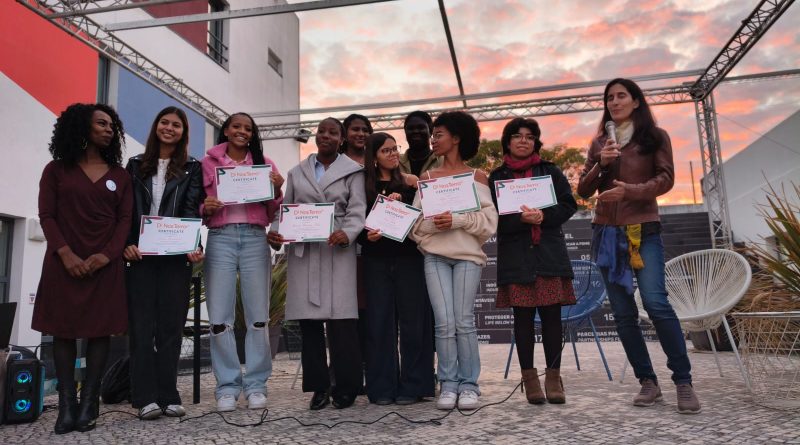
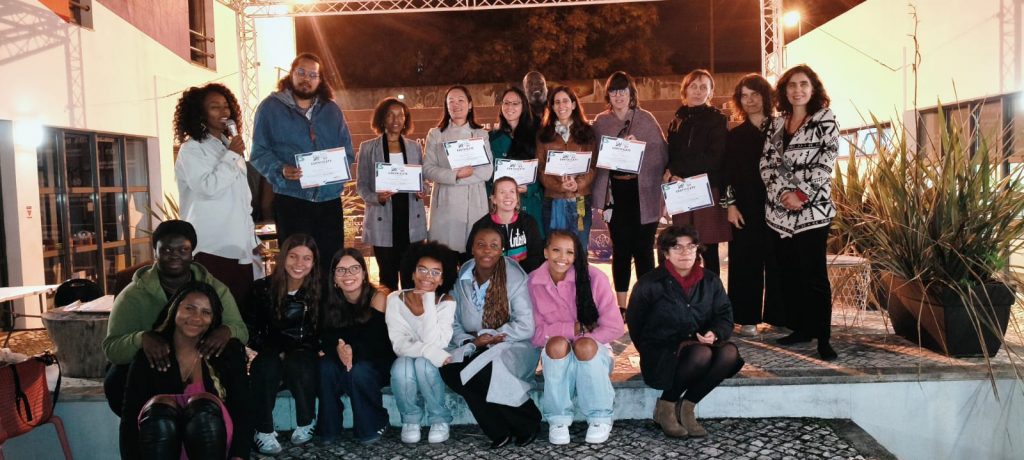
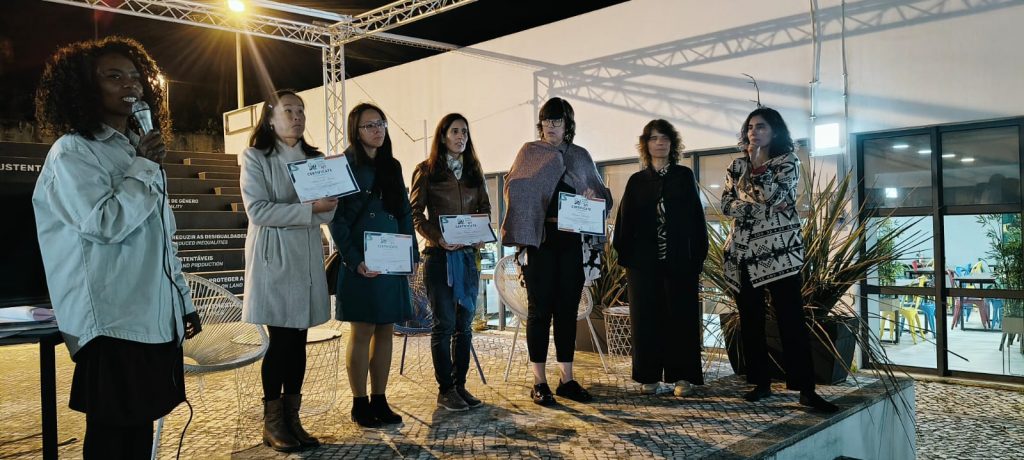
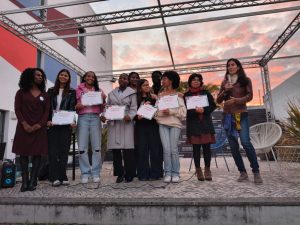
November also offered moments of celebration. Young and youth workers who engaged in the tool implementation activities received diplomas, acknowledging their participation, dedication and creativity. These ceremonies were more than symbolic—they reinforced the importance of youth participation and gave visibility to their contributions.
At this ceremony, the youth worker who will attend the international conference in Italy was also selected. There, we will discuss the tool implementation and present her participation, capabilities, and scalability to a wider audience.
Impact and Looking Ahead
November demonstrated the strength of collective action. Tools were tested, youth were empowered, and international recognition was achieved. The dissemination of these activities highlights the project’s commitment to transparency, visibility, and sustainability.
Conclusion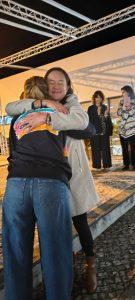
November was not just another month in the calendar—it was a milestone in the journey of Hi Art (Healthy Inclusion through Art). By combining local implementation with international recognition, the project reaffirmed its mission: to empower young people through art, inclusion, and innovation.