A Transformative Learning Experience at the Tactual Museum of Athens
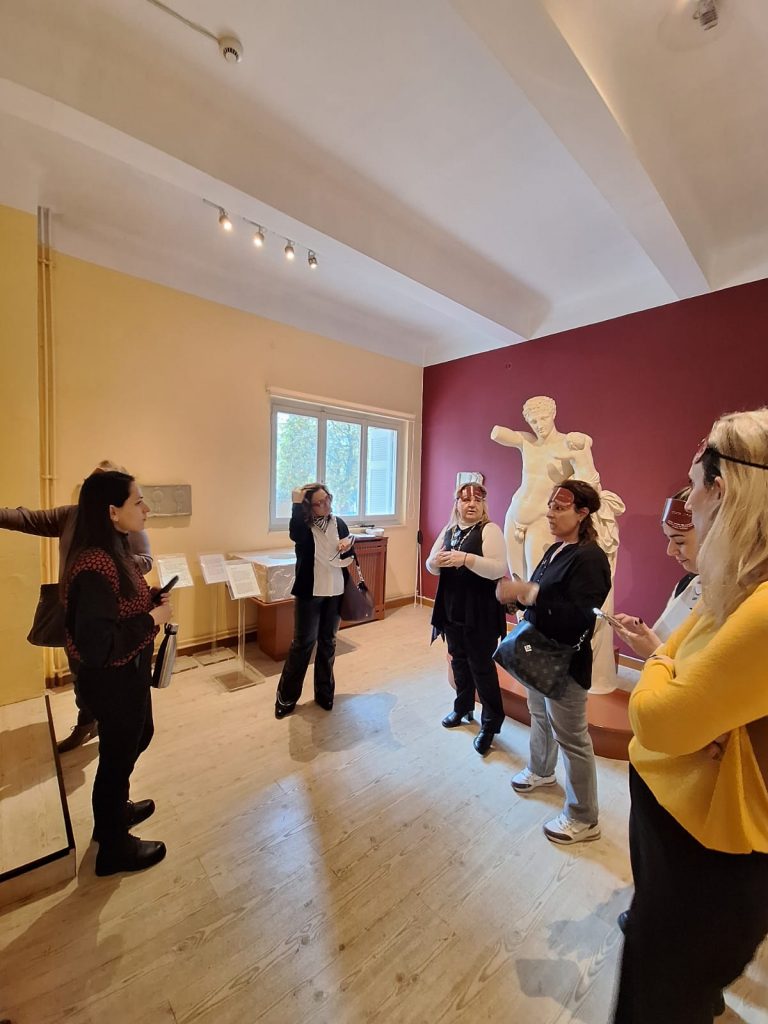
Within the framework of Healthy Inclusion Through Art, hosted a multiplier event and a meeting with stakeholders at the Tactual Museum of Athens, operated by the Lighthouse for the Blind of Greece.
To ensure a more effective and participatory training process, participants were divided into smaller groups. For this reason, a series of meetings has been scheduled to allow for deeper engagement, dialogue, and reflection. On the 25th of February, the first session of this series took place, initiating a truly experiential educational journey grounded in interaction, empathy, and shared learning.
A Cultural Space Where Art Becomes Accessible to All
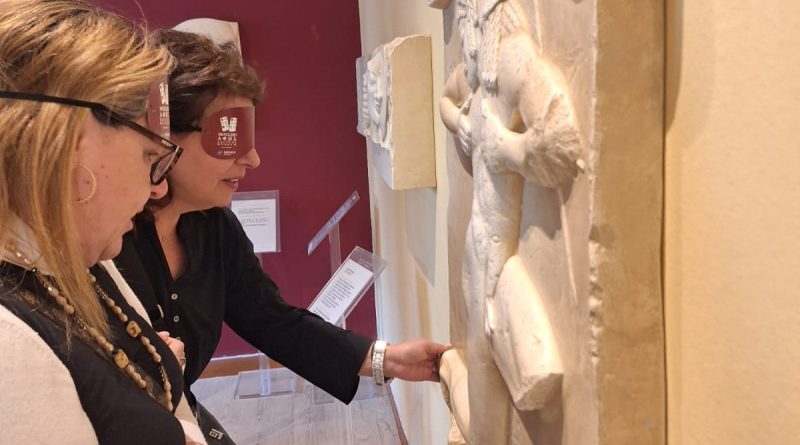
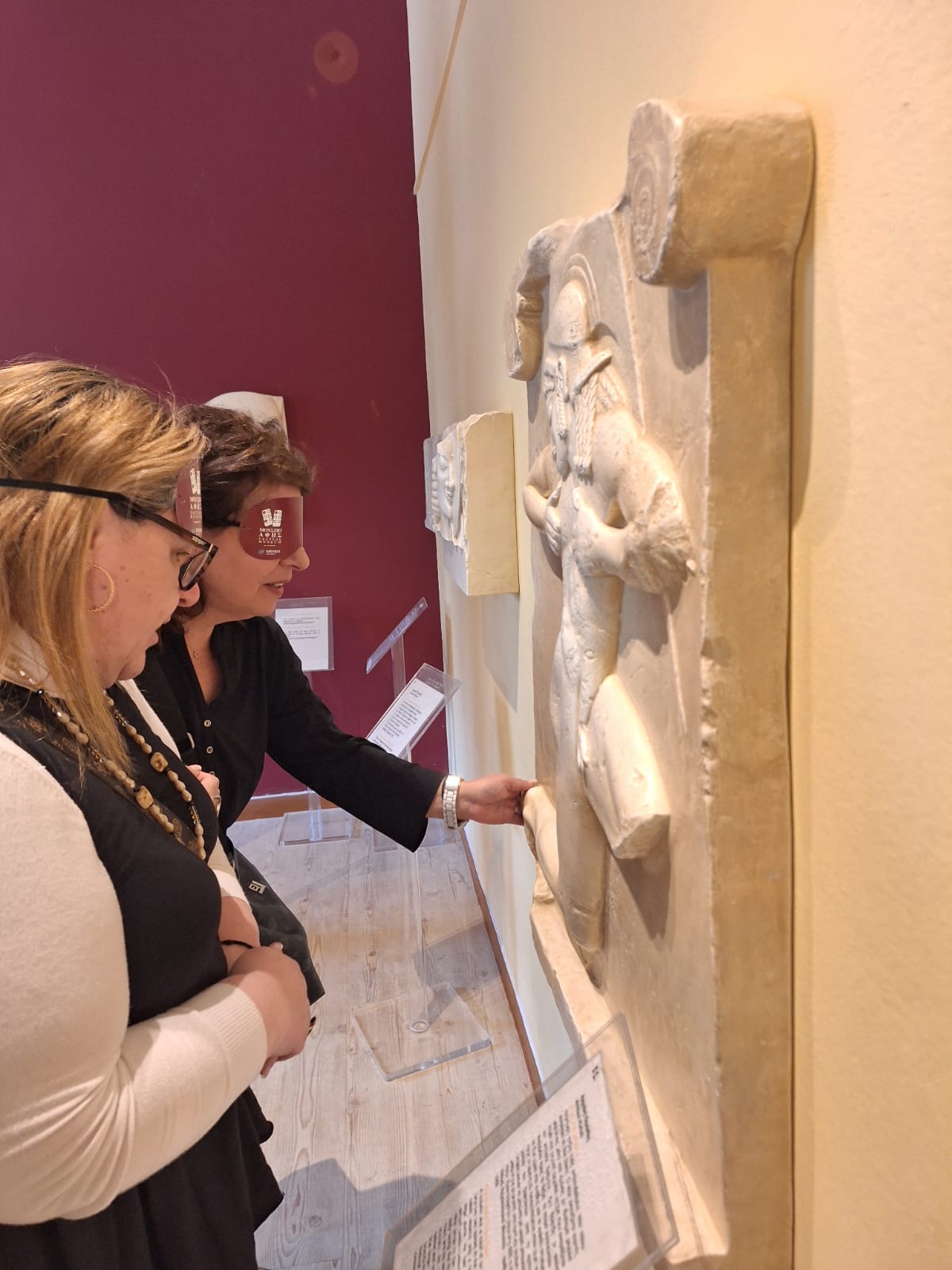
The Tactual Museum of Athens is a unique cultural institution in Greece and one of the few museums internationally designed to allow visitors to experience exhibits through touch. Its collections are specifically adapted for tactile exploration, offering an inclusive cultural experience for people with and without visual impairments.
In this setting, art becomes more than an aesthetic experience — it becomes a bridge of understanding and inclusion. Touch serves not only as a tool for accessibility but also as a powerful means of fostering empathy, challenging perceptions, and redefining how we engage with culture and diversity.
Strengthening Local Commitment to Inclusion
We would like to warmly thank Deputy Mayor of Social Services of Aspropyrgos, Eleni Mavrakis, for her meaningful and encouraging words, for attending alongside her colleagues from the Municipality of Aspropyrgos, and for her clear commitment to actively supporting and implementing inclusion through art at the local level.
Her presence highlighted the importance of connecting European initiatives with local communities, ensuring that the principles of inclusion are translated into tangible policies and everyday practices.
Empowering Professionals Working with Vulnerable Groups
We were also honored by the participation of professionals from the Hellenic Society for the Protection of Children. The involvement of practitioners who work daily with vulnerable populations underscores the importance of ongoing awareness-raising and professional development around accessibility, empathy, and inclusive practices.
When integrated into social support work, art can function as a powerful tool for understanding, empowerment, and meaningful expression. Through experiential engagement, participants were invited to approach inclusion not as an abstract concept, but as a lived reality — one that touches both literally and metaphorically upon human connection.