
Visualising Dreams and Future Pathways Through Art
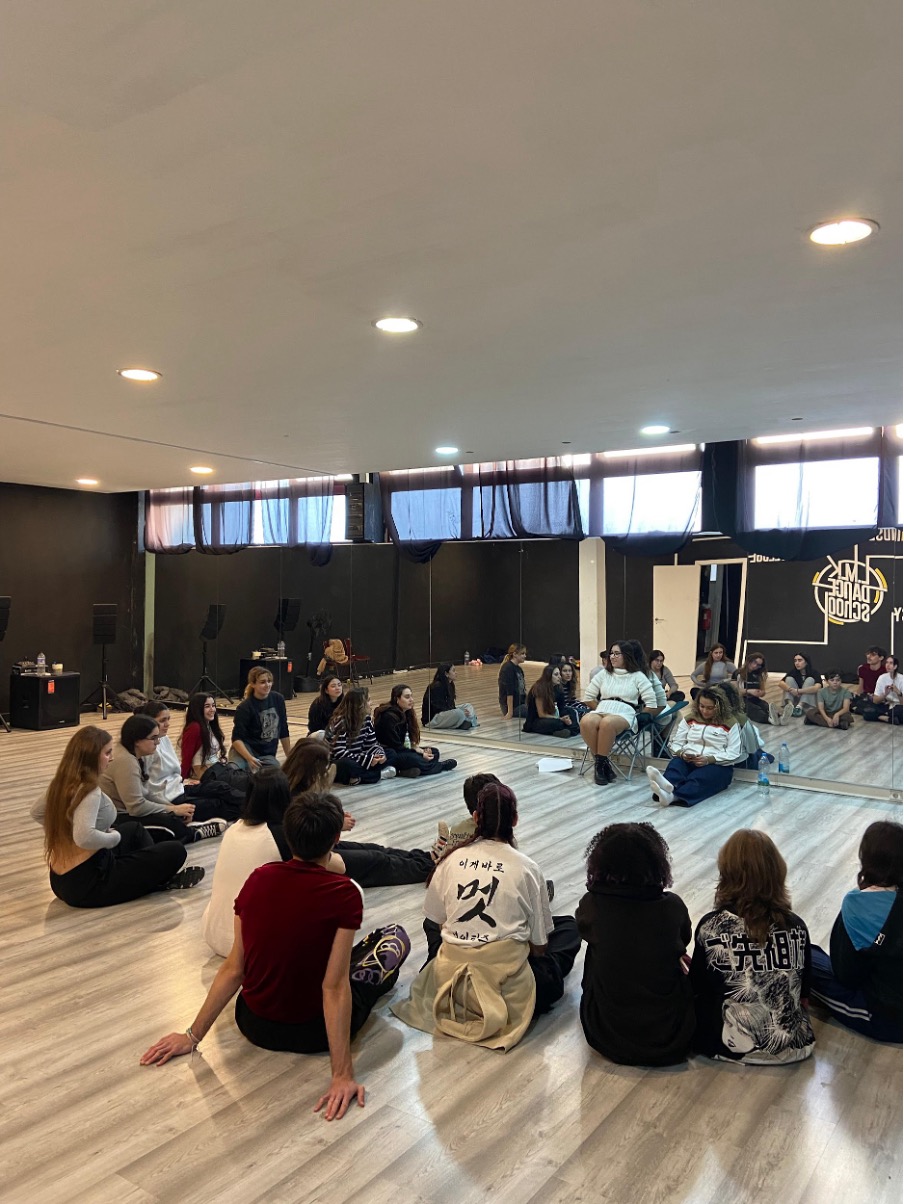
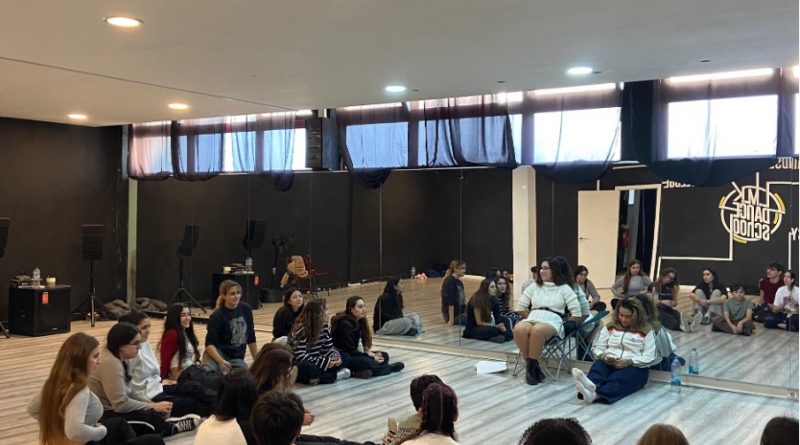
As part of the Healthy Inclusion through Art project, Magnolia method successfully implemented the Dreamcanvas activity with young people in Portugal. This activity formed part of the project’s broader effort to explore and apply creative, arts-based methodologies that foster inclusion, self-expression, and emotional awareness among young people.
Dreamcanvas invited participants to engage in a reflective and imaginative process, encouraging them to explore their personal dreams, aspirations, and inner motivations through visual creation. Using artistic materials and guided prompts, participants were supported in translating abstract thoughts and emotions into tangible visual representations. This process allowed them to reflect more deeply on their identities, values, and future pathways in a way that goes beyond verbal communication.
The activity created a safe and inclusive space where young people could express themselves freely, without fear of judgement. By focusing on non-verbal expression, Dreamcanvas was particularly effective in engaging participants who may find it difficult to articulate their thoughts and feelings through traditional discussion-based approaches. At the same time, it encouraged creativity, active participation, and emotional exploration, all of which are central to holistic youth development.
Through this process, participants were not only able to visualise their goals but also to strengthen their self-awareness and sense of agency. The act of creating and sharing their Dreamcanvas artworks fostered dialogue, peer connection, and mutual understanding within the group, reinforcing a sense of belonging and inclusion.
In addition, the implementation of Dreamcanvas contributed to the project’s wider objective of gathering practical insights and experiences from partners regarding the use of creative tools in youth work settings. By testing and documenting such methodologies in real-life contexts, the partnership is building a valuable knowledge base that can inform future practices and support more inclusive approaches across Europe.
In line with the shared framework agreed upon by all partners, the session was carefully documented using the official reporting format. This ensures consistency in data collection, facilitates coordinated monitoring of activities, and supports effective dissemination of results at both national and international levels.