
Art as a Bridge for Inclusion: When Creation Becomes Connection
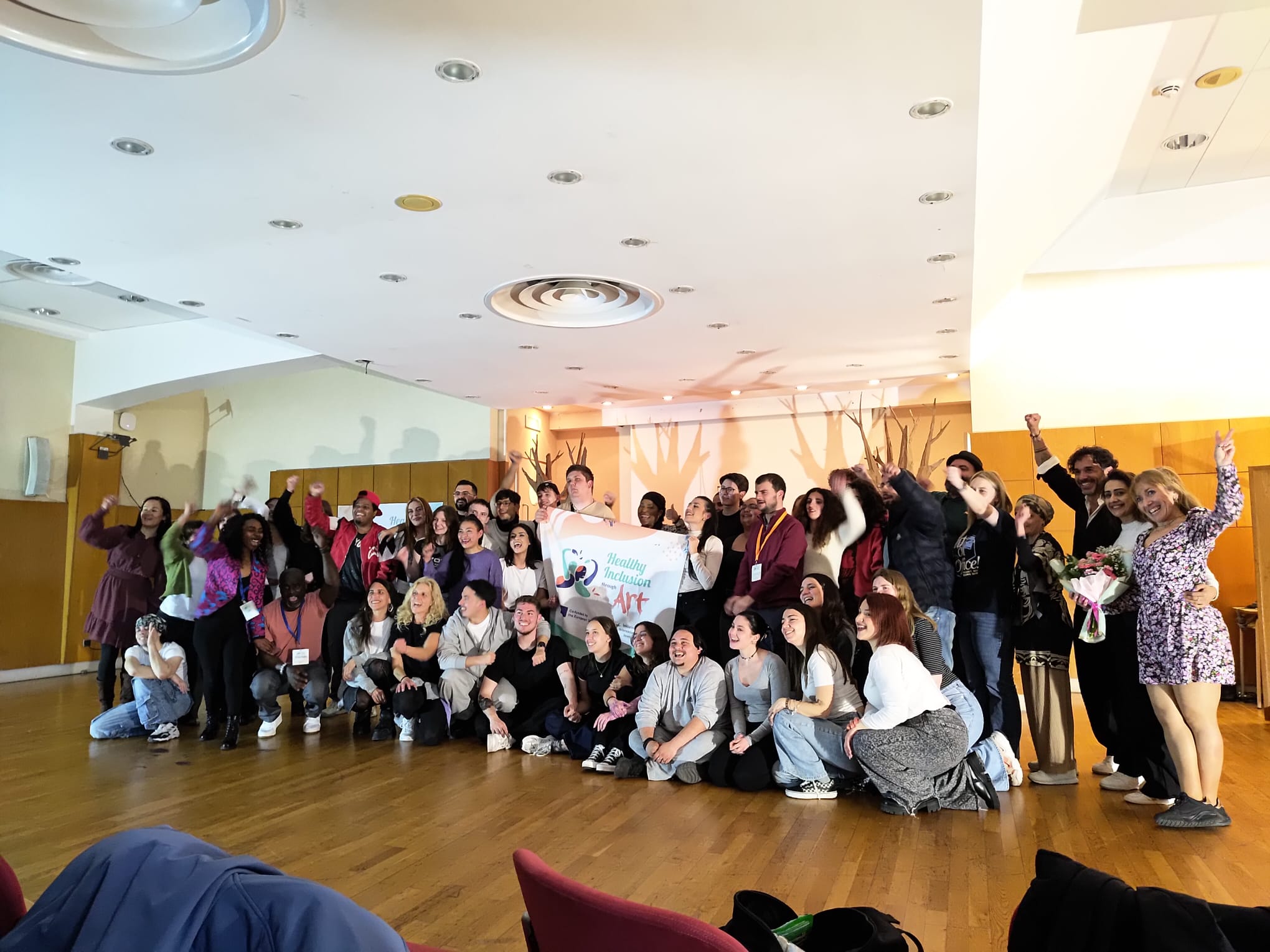
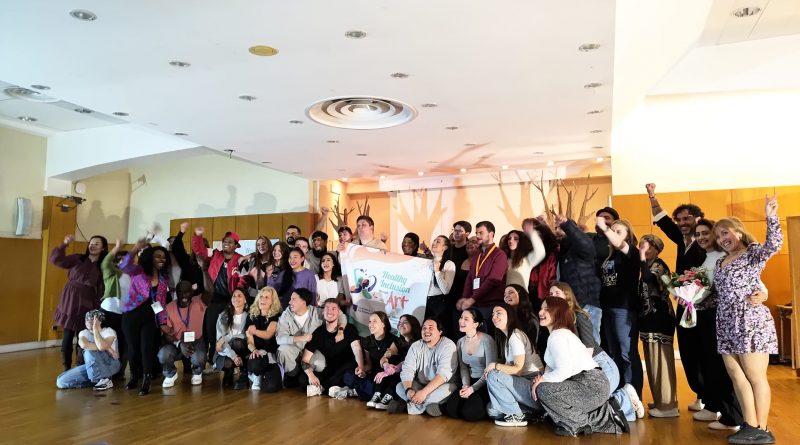
Across Europe, young people are navigating increasingly complex emotional, social, and cultural realities. In this context, the Healthy Inclusion through Art project continues to explore a simple but powerful idea: art does not necessarily solve problems, but it creates connections that make change possible. The recent international gathering brought together seven organisations from six European countries, united by a shared belief. When young people are given the space to create freely, collaboratively, and without the pressure of perfection, something meaningful happens. This shift is not imposed from the outside. It emerges organically, within individuals, between participants, and across communities. Rather than approaching “Art as a Bridge for Inclusion” as a predefined concept, the project allowed this theme to develop naturally through practice. Each local activity contributed a unique perspective, offering different answers to the same central question: what happens when art becomes a language of inclusion?
The answers were not singular or uniform. Instead, they were found in moments of recognition and shared experience. Young participants discovered that their fears, emotions, and uncertainties were not isolated but collective. Through creative processes, these internal experiences became visible, shared, and understood. This highlights a key insight of the project: inclusion is not built through individual effort alone. Like a bridge, it requires multiple contributions, perspectives, and connections. Art provides the medium through which these connections can form, especially for those who may struggle to express themselves through conventional, language-based approaches.
The final outcomes of the gathering reflect more than a series of activities. They capture expressions, gestures, emotions, and authentic interactions. They demonstrate that art can function as a direct form of communication, one that operates beyond words and engages individuals at an emotional level. Importantly, the impact of the experience extends beyond the duration of the event itself. While the international meeting has concluded, the connections established and the insights gained continue to resonate within participants and organisations alike.
The Healthy Inclusion through Art project reinforces that creative practice is not supplementary but essential in fostering inclusion. By creating spaces where young people can explore, express, and connect, art becomes a tool for building understanding, empathy, and shared belonging across diverse European contexts.