
Movement, Voice, and Identity in Youth Work
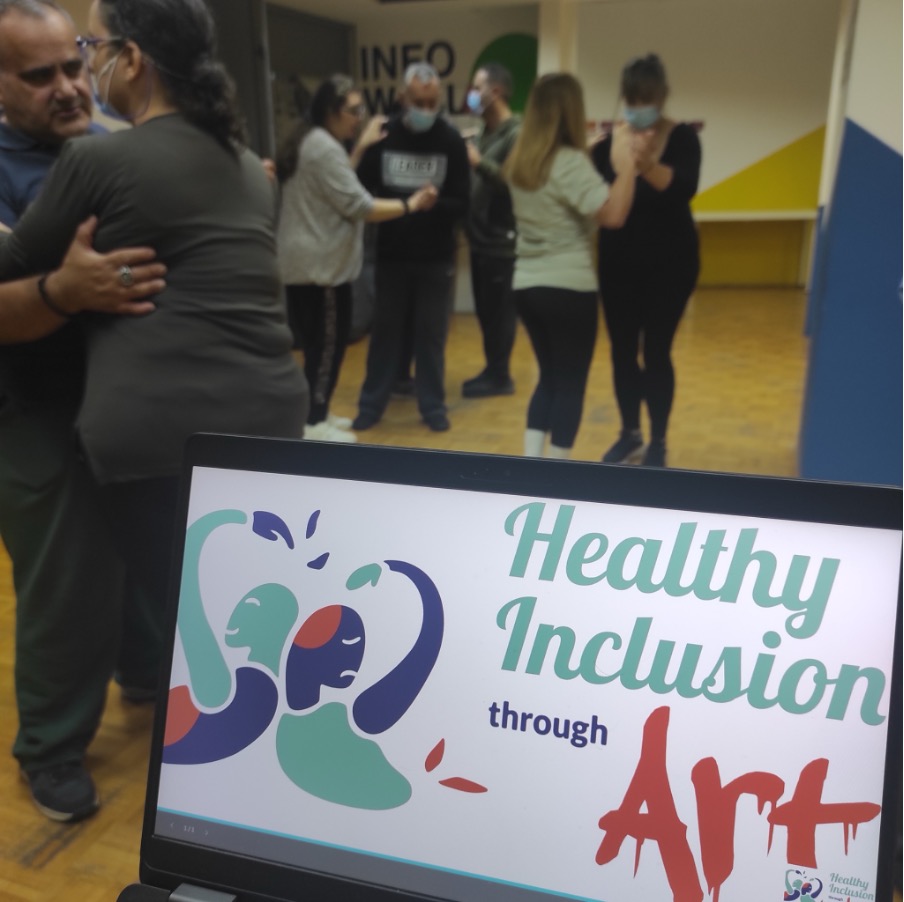
As part of its creative and psychosocial youth initiatives, IASIS implemented Future Leaders in Motion, a theatre- and movement-based workshop designed to support young people in exploring identity, emotional expression, and belonging within a safe, inclusive group setting.
Blending embodied practices, storytelling, breath, and voice work, the session invited participants to connect more deeply with themselves and others—using the body as a primary language for expression and reflection.
Movement and Voice as Pathways to Expression
Through movement improvisation, embodied storytelling, and collective exercises, participants strengthened self-awareness, empathy, and communication skills. Working with the body and voice allowed them to access emotions that can be difficult to express verbally, creating a meaningful bridge between inner experience and creative expression.
Breath and voice practices supported emotional regulation and confidence, while theatre-based methods encouraged playful exploration of identity through imagination, authenticity, and presence. The embodied nature of the workshop made emotional exploration more accessible, inclusive, and engaging for all participants.
Competences Developed
The session supported growth across multiple dimensions:
- Knowledge
Understanding how movement, breath, and storytelling can support emotional expression, well-being, and identity exploration. - Skills
Embodied communication, creative problem-solving, attentive listening, teamwork, leadership, and emotional expression through movement and voice. - Attitudes
Openness, empathy, confidence, cultural awareness, and a strengthened sense of belonging within the group.
Participants also deepened their capacity for self-reflection, learning how to transform emotions into creative and meaningful expression.
Moments of Connection and Creativity
Participants highlighted movement improvisation and the storytelling circle as some of the most impactful moments. These activities allowed personal and cultural narratives to be expressed through body and voice, often revealing shared experiences in unexpected ways.
Partner work and mirroring exercises fostered trust, empathy, and emotional attunement, while collective storytelling created space for imagination, humour, and vulnerability to coexist. The closing reflection circle was described as grounding and meaningful, offering time for emotional integration, mutual appreciation, and group closure.
Thoughtful and Inclusive Implementation
The workshop was delivered within the planned timeframe of approximately three hours. A carefully balanced pace—supported by clear transitions, short breaks, and a well-structured flow—helped maintain energy, focus, and emotional safety throughout the session.
Adaptations were made to reflect the local cultural context, encouraging participants to draw on personal stories, gestures, language, and music that felt familiar and authentic. This approach strengthened accessibility, inclusivity, and participant ownership of the process.
Overall Impact
Future Leaders in Motion was very well received and described by participants as empowering, grounding, and emotionally resonant. Many expressed a strong desire to repeat the session or engage in a longer programme, noting how the combination of movement, storytelling, and collective creativity helped them feel lighter, more confident, and more connected.
The workshop demonstrated the transformative potential of embodied arts in youth work, offering a powerful framework for fostering emotional resilience, self-expression, and community building among young people.