
When Art Becomes a Space of Belonging
A personal reflection by Lamprini Ntountoumi, Coordinator from IASIS NGO
This article is written as a personal reflection and experience-based account of my involvement in the Healthy Inclusion Through Art project. It brings together moments, observations, and emotions that emerged throughout the journey, including the creative activities, empowerment groups, and international exchange. Rather than presenting the project only through its formal outcomes, this piece captures the human side of the experience: the connections created, the stories shared, and the impact that art had on participants and professionals alike.
The Healthy Inclusion Through Art project was never only about art. It was about people. About connection, vulnerability, courage, and the need we all have to feel seen, accepted, and understood.
Throughout this journey, art became a language for emotions that were often too difficult to express with words. Through painting, movement, storytelling, creative reflection, and shared activities, participants slowly opened spaces within themselves that had sometimes remained silent for a long time. Little by little, strangers became a group, and the group became a community.
The artistic tools developed during the project were used in day centers, empowerment groups, and community spaces supporting people facing mental health challenges, loneliness, exclusion, and difficult life experiences. What we witnessed through these activities was deeply moving. People who initially struggled to participate began expressing themselves freely. Others discovered confidence, creativity, and connection they did not know they still carried inside them.
Art created something that many people rarely experience in everyday life: a space without judgment. A space where nobody had to hide behind labels, diagnoses, or expectations. A space where every story, every emotion, and every person had value simply because they existed.
One of the strongest messages that emerged throughout the project was the importance of creating more human approaches to mental health and inclusion. Often, what hurts people most is not only psychological pain, but isolation, invisibility, and the feeling of facing life alone. This project reminded us how powerful it can be when people truly listen to one another, support one another, and create together.
The empowerment groups and creative activities became moments of healing, reflection, and genuine connection. Through artistic expression, participants found safer ways to speak about fear, hope, identity, trauma, resilience, and dreams for the future. Many moments were emotional, some were difficult, but all of them were real. And that authenticity is what made the experience so meaningful.
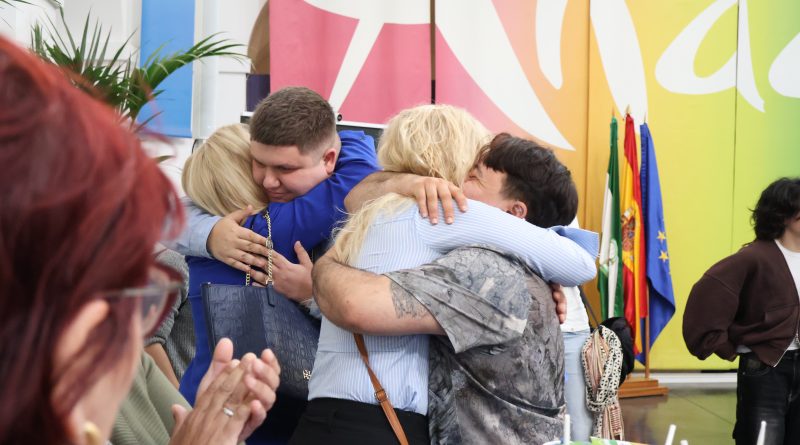
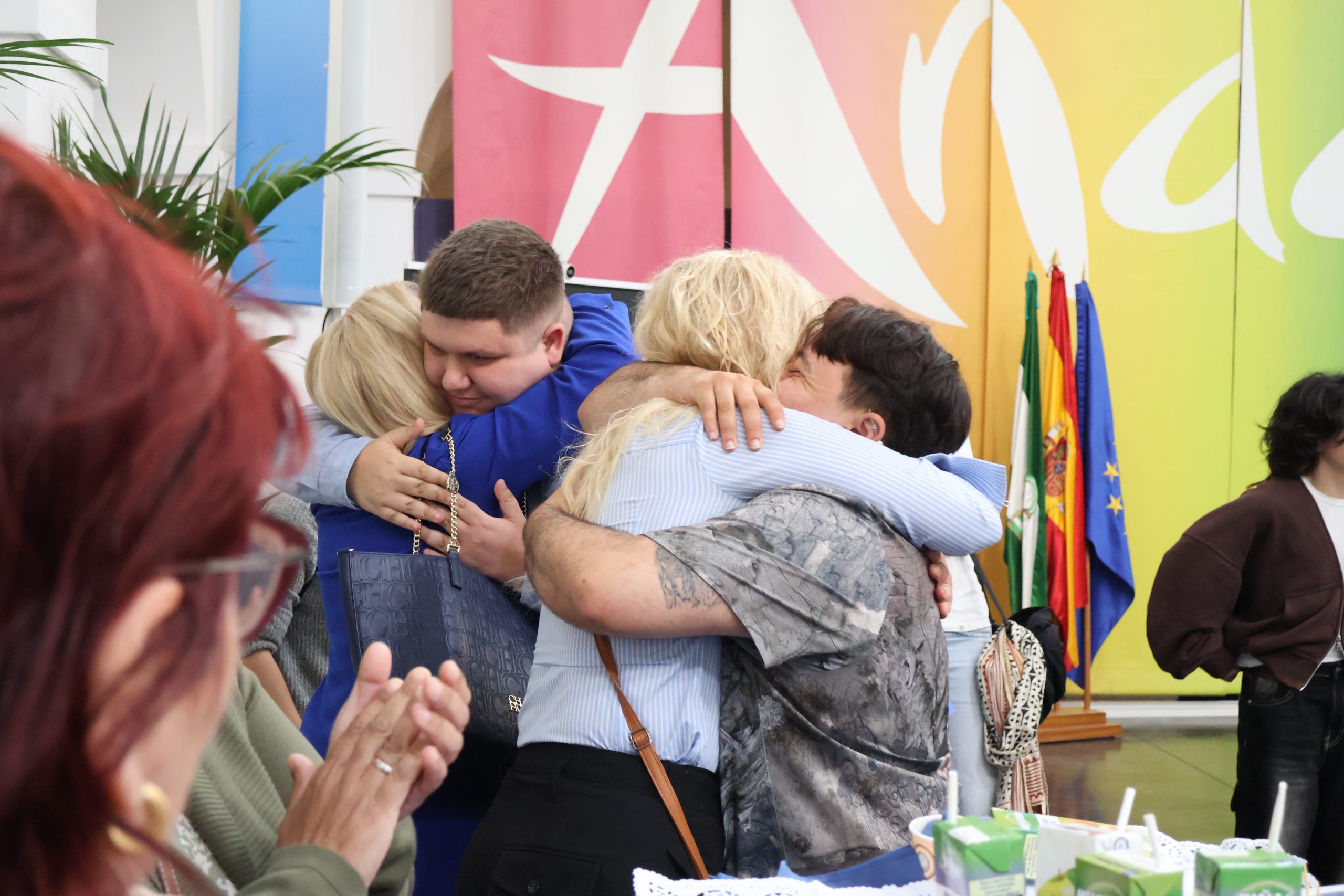
One of the most unforgettable parts of the project took place during the international gathering in Estoril. For many participants, it was the first time finally meeting each other face-to-face after months of sharing ideas, emotions, and experiences from afar. Everyone arrived excited, nervous, and a little afraid — but nobody could imagine how deeply those days would stay with us.
What happened there went far beyond workshops or professional exchange. We shared meals, stories, fears, laughter, tears, music, silence, and moments of vulnerability that brought people closer in ways difficult to explain. Somewhere between the conversations, the art, the late-night reflections, and the small everyday moments, something truly special happened: people felt they belonged.
For many of us, Lisbon left a permanent mark. It reminded us that inclusion is not simply a concept or a project objective. Inclusion is what happens when someone feels safe enough to be themselves. When they feel heard without being judged. When they realize they are not alone.
The Healthy Inclusion Through Art project became a reminder that art can transform spaces, relationships, and sometimes even lives. Not because it solves everything, but because it creates room for people to reconnect — with themselves, with others, and with hope.
And perhaps that was the most important thing we created together: not only activities or results, but a human connection. Real, honest, and unforgettable.