
From Local Practice to European Impact
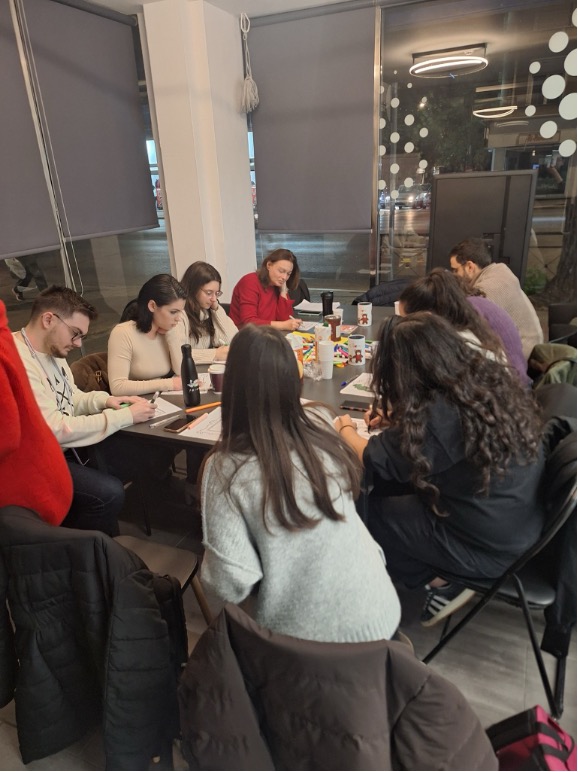
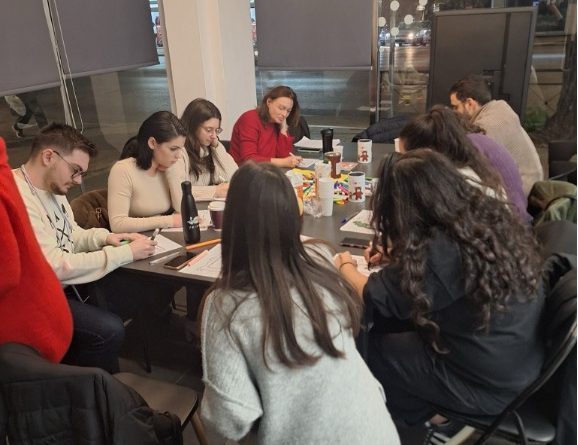
What We Learn When Young People Create Together
One of the strongest contributions of the Healthy Inclusion through Art project lies in its ability to transform local creative sessions into shared European knowledge. Across partner countries, youth organisations implemented and tested a wide range of artistic tools—each adapted to local contexts, cultures, and group needs.
From trauma-informed collage work in Spain, to sensory and symbolic exploration in Portugal, expressive painting in Italy, music-based regulation in Ireland, and embodied movement practices in Greece, each implementation added depth to the project’s collective learning. These experiences highlighted not only the impact of creative tools, but also the importance of skilled facilitation, emotional safety, and thoughtful structure.
A key insight emerging from the project is that art works best when process matters more than performance. Young people engaged most deeply when activities emphasised presence, exploration, and authenticity rather than technical skill or final results. Many participants described creative sessions as rare opportunities to slow down, focus on themselves, and feel accepted without judgment.
Equally important was the project’s commitment to documentation and reflection. By using shared reporting frameworks, partners were able to compare experiences, identify strengths, and recognise where additional guidance or structure was needed. This ensured that the project’s outcomes go beyond isolated success stories and contribute to sustainable, transferable practices in youth work.
Ultimately, Healthy Inclusion through Art demonstrates how creative collaboration across borders can strengthen youth inclusion efforts. When young people are given space to create together—across languages, cultures, and experiences—art becomes a shared language of empathy, resilience, and hope.